In this article, we aim to clarify the distinctions between urgent care centers and emergency rooms, helping you make informed decisions during a medical need. Emergencies and injuries can happen without warning, and knowing where to go can save both time and lives. By understanding the purposes and services of urgent care centers versus emergency rooms (ERs), you can ensure that you receive the appropriate level of care at the right time.
Although both facilities deal with medical issues, they serve different roles within the healthcare system. This guide will explore the unique functions of each, their costs, and when it’s best to visit one over the other.
1. What is the primary difference between urgent care and the ER?
The primary difference between urgent care and the ER lies in the severity and type of medical issues they are equipped to handle. Urgent care centers cater to minor injuries and illnesses that need prompt attention but are not severe enough to require ER services. These centers are often more accessible and cost-effective for non-emergencies. In contrast, ERs handle potentially life-threatening conditions that require immediate and complex interventions. They are equipped with advanced medical equipment and specialists to manage a broad spectrum of serious situations.
1.1 Definition of urgent care: Urgent care centers are medical facilities designed to provide quick, outpatient treatment for minor health issues. They bridge the gap between primary care physicians and the ER, offering services without the need for an appointment. These centers typically treat conditions like minor cuts, bruises, sprains, and illnesses such as the flu or infections. Often, they are open outside regular office hours to accommodate unexpected healthcare needs. Their goal is to provide fast and efficient care, reducing the burden on emergency departments for non-critical conditions.
1.2 Definition of emergency room (ER): ERs, or emergency rooms, are hospital-based departments specializing in acute care for serious, life-threatening conditions. Staffed with expert medical personnel and equipped with sophisticated diagnostic tools, they are ready to address extreme medical emergencies around the clock. Conditions treated here include heart attacks, strokes, severe trauma, and other acute medical or surgical emergencies. Due to the critical nature of issues dealt with, ERs prioritize patients based on the severity of their conditions, not on a first-come, first-served basis. This ensures that those in the most critical need receive immediate attention.
2. When should you go to urgent care instead of the ER?
Determining when to visit urgent care versus an ER depends largely on the medical condition’s severity and threat to life or limb. General guidelines suggest choosing urgent care for non-life-threatening situations where immediate, but not emergency, assistance is needed. Examples include minor fractures, cold or flu symptoms, and moderate asthma attacks. These centers are equipped to provide essential diagnostics and treatments when the primary care office is closed, without the high cost of an ER visit. Moreover, opting for urgent care for less critical issues helps keep ER resources available for truly severe cases.
2.1 Identifying non-life-threatening conditions: It’s vital to recognize symptoms that are significant but not life-threatening. Conditions such as mild respiratory problems, skin rashes, or routine infections generally fall into this category. Urgent care centers are ideal for these because they can manage disease progression quickly before it worsens, yet don’t require specialized emergency intervention. Knowing the difference helps prevent unnecessary ER visits and ensures timely care. Additionally, urgent care offers quick methods of relief, often serving patients faster than ERs under high-stress and high-demand conditions.
2.2 Common ailments and injuries for urgent care: Many everyday health concerns are efficiently treated at urgent care facilities. From treating sprains and minor fractures to managing allergies and mild dehydration, these centers provide comprehensive treatment options. They also handle common ailments such as ear infections and minor cuts requiring sutures or stitches. The ability to walk in without an appointment is invaluable when timely care is necessary, but ER-level equipment and expertise are not needed. Remember, for routine diagnostic services like X-rays and lab tests, urgent care serves aptly, reducing waiting times typical in ER visits.
3. When is it necessary to go to the ER?
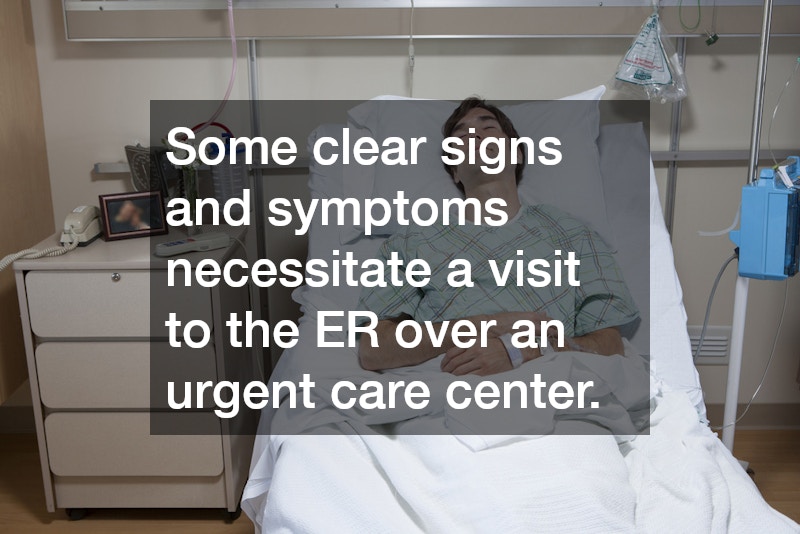
Some clear signs and symptoms necessitate a visit to the ER over an urgent care center. Generally, if a condition is potentially life-threatening or could result in a disability if not addressed immediately, ER care is essential. Such emergencies include severe chest pain, difficulty breathing, severe abdominal pain, sudden numbness or weakness, uncontrolled bleeding, or any suspected broken bone visible through the skin. Additionally, situations where severe illness symptoms progress rapidly or cause a significant change in consciousness warrant immediate ER attention. Recognition of these conditions can aid in preventing detrimental outcomes and ensure life-saving interventions are undertaken swiftly.
3.1 Recognizing life-threatening emergencies: Various symptoms clearly signal a life-threatening condition necessitating an ER visit. These encompass, but are not limited to, signs of a heart attack like persistent chest pain, shortness of breath, and sudden dizziness. Stroke symptoms such as facial drooping, arm weakness, and slurred speech also demand immediate emergency services. Severe anaphylactic reactions from allergies, deep wounds or burns, and traumatic injuries are additional examples. Understanding these symptoms equips individuals to respond promptly, ensuring life and health are preserved in emergent scenarios.
Understanding when and where to seek medical care can significantly impact your health and healthcare costs. By knowing the differences between urgent care and emergency rooms, you can make timely and appropriate decisions regarding your healthcare needs. Staying informed about the services offered at each type of facility helps you choose the right care solution, reducing unnecessary waits, minimizing healthcare costs, and ensuring you or your loved ones receive the most appropriate form of care. Being prepared and knowledgeable about these options not only provides peace of mind but also supports better medical outcomes overall. Engaging in discussions about healthcare options strengthens one’s ability to navigate health systems resourcefully and responsibly.